
Chamblee Green Waste Disposal Services
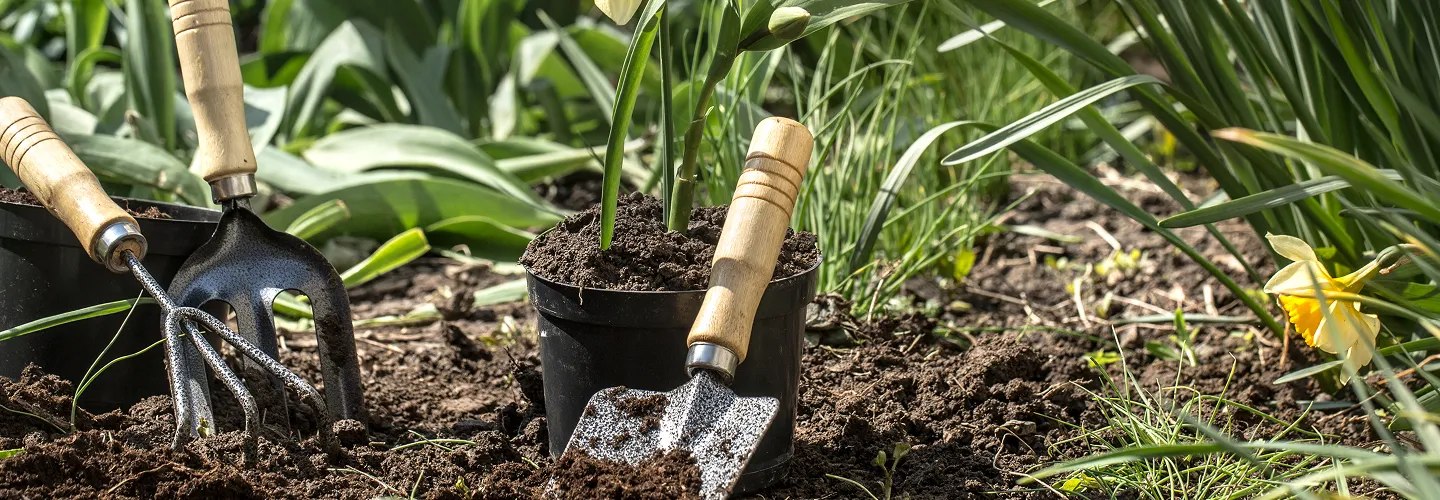
Choose our Green Waste Disposal for reliable, environmentally responsible service that keeps your property clean while supporting a healthier planet. We make it easy to dispose of yard debris and organic waste the right way.
Get a Free QuoteOur Chamblee Landscaping & Yard Care Services
When to Schedule Green Waste Disposal in Chamblee, Georgia – Seasonal Guide
In Chamblee, Georgia, the best times for green waste disposal are closely tied to our unique climate and landscape. With mild winters and hot, humid summers, most homeowners find late winter through early spring—just after the last frost date—to be ideal for clearing out yard debris, pruning, and preparing for new growth. Neighborhoods near Keswick Park and Dresden Drive, for example, often see increased green waste activity as residents tidy up after winter storms and before the rapid growth of spring.
Local environmental factors such as heavy summer rainfall, clay-rich soils, and dense shade from mature oaks and maples can all impact the timing and frequency of green waste removal. Additionally, Chamblee’s municipal guidelines and seasonal collection schedules should be reviewed on the official city website to ensure compliance and maximize efficiency.
Local Factors to Consider for Green Waste Disposal in Chamblee
- Tree density and types (e.g., large oaks in Huntley Hills)
- Terrain and yard slope, especially in areas near Peachtree Creek
- Seasonal precipitation and humidity levels
- Local frost dates and risk of late cold snaps
- Municipal restrictions and scheduled pickup dates
- Soil type, particularly clay-heavy soils common in Chamblee
- Shade coverage affecting debris accumulation
Benefits of Green Waste Disposal in Chamblee
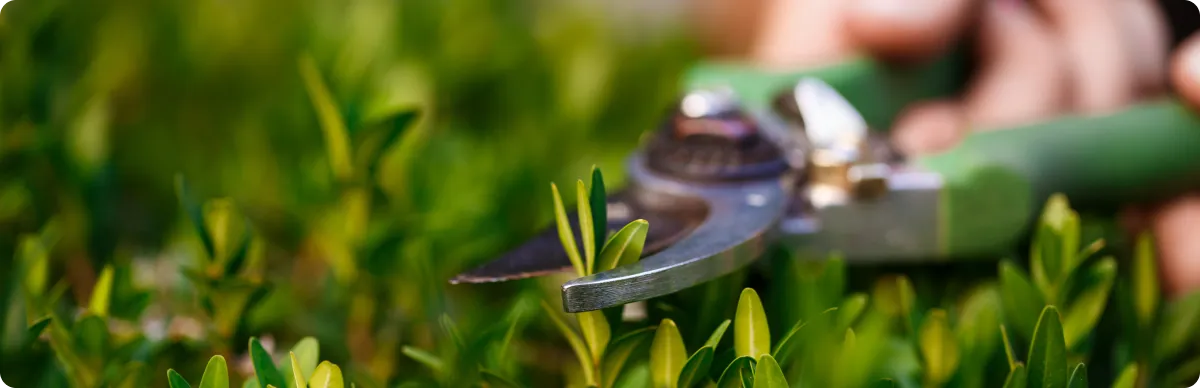
Eco-Friendly Landscaping Solutions
Efficient Green Waste Removal
Promotes Healthy Plant Growth
Reduces Landfill Waste
Improves Curb Appeal
Supports Local Sustainability
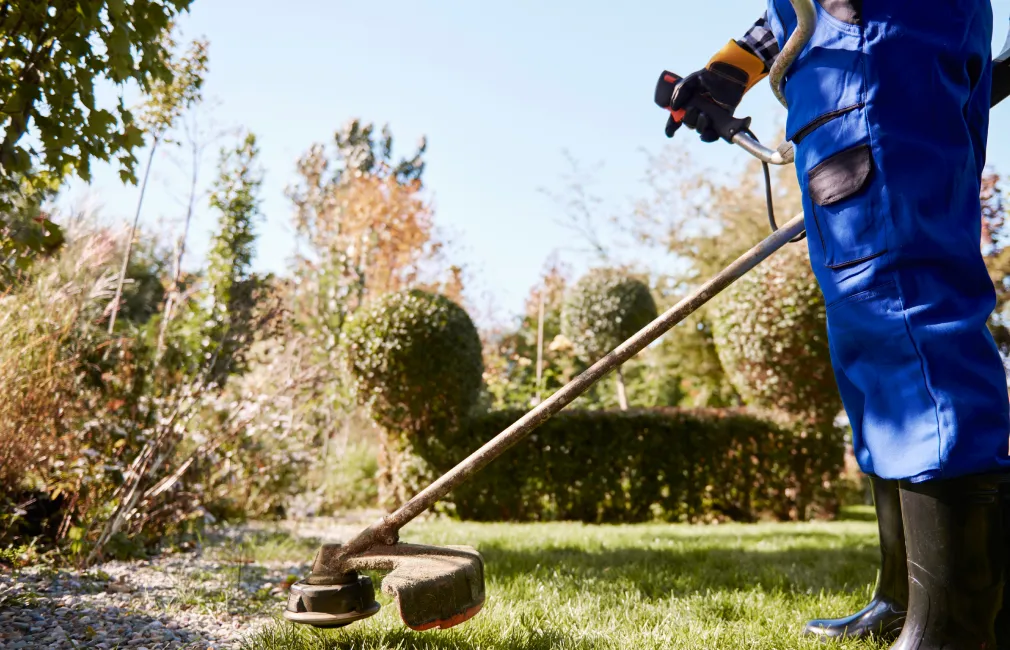
Chamblee Green Waste Disposal Types

Grass Clippings
-
Tree Branches
-
Leaves and Foliage
-
Shrub Trimmings
-
Garden Plants
-
Wood Chips
-
Weeds and Roots
Our Green Waste Disposal Process
Collection of Green Waste
Sorting and Separation
Transport to Disposal Facility
Eco-Friendly Processing
Why Choose Chamblee Landscape Services
-
Chamblee Homeowners Trust Us
-
Expert Lawn Maintenance
-
Reliable Scheduling
-
Competitive Pricing
-
Professional Team
-
Satisfaction Guarantee
-
Personalized Service
Chamblee Public Works Yard Waste Collection Procedures and Placement Standards
Chamblee residents and property managers coordinating green waste disposal must follow the collection protocols administered through the Chamblee Public Works Department. Yard waste accepted for curbside collection typically includes grass clippings, leaves, small branches, and garden trimmings. To ensure timely pickup, materials should be placed at the curb by the designated collection day and kept separate from household solid waste. Key placement and preparation standards include:
- Branches must be cut to manageable lengths, generally no longer than 4 feet, and bundled securely
- Loose leaf and clipping debris should be bagged in biodegradable or kraft paper yard waste bags rather than plastic
- Green waste must not be placed over storm drain inlets, drainage swales, or within the roadway travel lane
- Oversized loads or post-storm debris volumes may require a separate bulk pickup request through Public Works
Verify current collection schedules and any seasonal adjustments directly with the department, as pickup frequency may vary.
Chamblee Public Works Department
3518 Broad Street, Chamblee, GA 30341
Phone: (770) 986-5010
Official Website: Chamblee Public Works Department
Protecting Chamblee's Stormwater Infrastructure During Green Waste Removal
Chamblee's stormwater drainage network, managed through the Chamblee Stormwater Utility, is directly vulnerable to improper green waste disposal. The city sits within the Piedmont region of DeKalb County, where compacted red clay soils limit natural infiltration and concentrate surface runoff into drainage channels, detention features, and local tributaries. Organic debris deposited near or over storm inlets can cause blockages, accelerate erosion, and introduce excess nutrients into downstream waterways. Compliance with the Clean Water Act and the EPA NPDES Program requires that stormwater discharges remain free of pollutants, including decomposing organic matter. Practical steps for compliant disposal include:
- Never blow, rake, or dump clippings or leaves into street gutters, curb cuts, or drainage inlets
- Maintain a minimum setback of at least 10 feet from any visible drainage channel or detention pond edge when staging debris
- Bag or contain all loose organic material before transport to the curb or disposal site
- Report blocked storm drains to the Stormwater Utility promptly
Chamblee Stormwater Utility
3518 Broad Street, Chamblee, GA 30341
Phone: (770) 986-5010
Official Website: Chamblee Stormwater Utility
Chamblee's Piedmont Red Clay Soils and Seasonal Green Waste Volume Timing
Chamblee falls within USDA Plant Hardiness Zone 7b, with warm, humid summers and mild winters typical of the Metro Atlanta Piedmont. Predominant soils in the area are Cecil and Appling series—red clay Ultisols with low permeability, high compaction potential, and moderate to strong acidity (pH typically 5.0–6.0). These soil conditions affect green waste generation patterns in several ways:
- Warm-season turf such as bermudagrass and zoysiagrass produces peak clipping volumes from May through September, requiring frequent disposal coordination
- Leaf fall from mature hardwoods—oaks, sweetgums, and maples common throughout Chamblee—generates the highest debris volumes in October and November
- Heavy clay soils slow decomposition of on-site organic matter, making timely removal more important than in sandier regions
- Spring cleanup windows typically open in late March to early April as temperatures consistently exceed 50°F
UGA Cooperative Extension provides regionally calibrated guidance on warm-season turf management and organic matter handling suited to Piedmont Georgia conditions.
Invasive Plant Material and Disposal Restrictions for Chamblee Green Waste
Certain plant species common in Chamblee and the broader Metro Atlanta corridor require special handling during green waste disposal to prevent further spread. Invasive species such as kudzu (Pueraria montana), English ivy (Hedera helix), Chinese privet (Ligustrum sinense), and Japanese honeysuckle (Lonicera japonica) are documented throughout DeKalb County and must not be composted on-site or deposited in areas where vegetative material can re-root. UGA Extension's Invasive Species program identifies these plants as high-priority removal targets. Recommended disposal practices for invasive material include:
- Bag invasive cuttings in sealed plastic bags before placing at the curb for collection
- Do not compost invasive vines, seed-bearing stems, or root fragments in residential compost bins
- Confirm with Chamblee Public Works whether invasive material is accepted in standard yard waste collection or requires separate handling
- Avoid stockpiling cut invasive material near wooded edges, creek corridors, or undeveloped lots where re-establishment is likely
The Georgia EPD Watershed Protection Branch also recognizes invasive vegetation as a contributing factor to water quality degradation in urban stream corridors.
Chamblee Sustainability Initiatives and Green Waste Diversion Opportunities
The Chamblee Sustainability program, administered through the Planning and Development Department, supports environmental stewardship efforts that include responsible organic waste management and resource conservation. Residents and property managers seeking to reduce the volume of green waste sent to landfill or collection can pursue several municipally aligned diversion strategies:
- Grasscycling: Leaving fine grass clippings on the lawn after mowing returns nitrogen to the soil and reduces clipping volume by up to 25% per season
- Backyard composting: Leaves, non-invasive plant trimmings, and garden debris can be composted on-site in enclosed bins, reducing curbside load
- Mulching in place: Shredded leaf material applied as a 2–3 inch mulch layer around trees and beds improves moisture retention in Chamblee's clay-heavy soils
- Community drop-off programs: Verify with the city whether seasonal leaf or brush drop-off events are scheduled through Parks and Recreation or Public Works
These practices align with broader Georgia EPD environmental compliance goals and support the city's green infrastructure planning objectives.
Chamblee Planning & Development Department
3518 Broad Street, Chamblee, GA 30341
Phone: (770) 986-5010
Official Website: Chamblee Sustainability
What Neighborhoods Do We Serve Throughout Chamblee, GA?
Green waste disposal services are provided across Chamblee's diverse residential and mixed-use neighborhoods, each presenting distinct site conditions and debris management considerations:
- Keswick Village: An established residential area with mature hardwood canopy generating significant leaf fall volumes in autumn; red clay soils limit on-site decomposition, making timely curbside removal essential.
- Huntley Hills: A mid-century neighborhood with large lots, older tree cover, and proximity to drainage corridors; debris staging must account for swale and inlet locations throughout the area.
- Dresden: A mixed residential and commercial corridor undergoing active redevelopment; green waste from both residential yards and construction-adjacent landscaping requires careful separation and compliant disposal.
- Peachtree Corners Corridor (Chamblee portion): Properties along this transitional zone often feature compacted urban fill soils and limited on-site storage space, requiring efficient debris removal scheduling.
- Embry Hills (Chamblee-adjacent): Wooded lot edges and sloped terrain increase leaf and branch accumulation; proximity to local drainage features requires careful debris containment during collection.
- Chamblee Tucker Road Corridor: Higher-density residential properties with smaller yards and limited curb space; bundling and bagging standards are especially important for compliant placement in this area.