
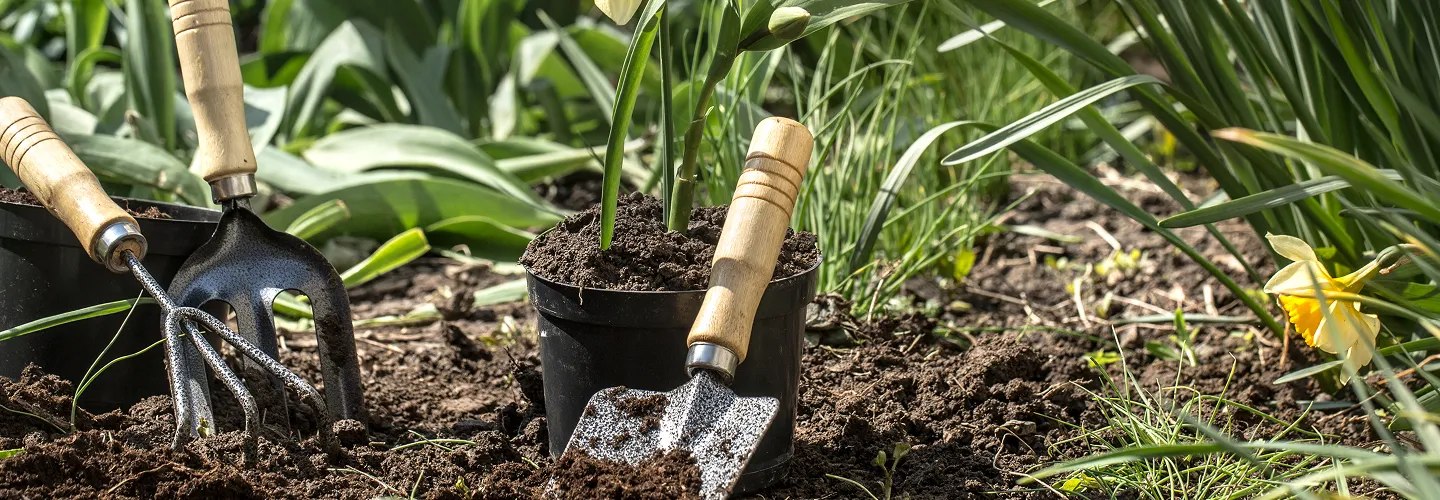
Chamblee Lawn Seeding Services
Choose our professional lawn seeding services for a lush, healthy yard—our experienced team uses premium seed blends and proven techniques to ensure even growth, improved turf density, and long-lasting results you’ll love.
Get a Free QuoteOur Chamblee Landscaping & Yard Care Services
When to Schedule Lawn Seeding in Chamblee, Georgia – Seasonal Guide
In Chamblee, Georgia, the best time to schedule lawn seeding is typically in early fall, when soil temperatures remain warm but the air begins to cool. This window—usually from late September through October—allows new grass seed to establish strong roots before the onset of winter. Spring can also be suitable, but fall seeding is generally preferred due to reduced weed competition and more consistent rainfall. Chamblee’s climate, with its humid summers and mild winters, means timing is crucial to avoid periods of drought or excessive heat that can hinder seed germination.
Local neighborhoods like Huntley Hills and Keswick Village often experience varying shade coverage from mature trees, while areas near Dresden Park may have heavier clay soils that retain moisture differently. It’s important to consider the last expected frost date and the risk of late-spring cold snaps, as well as municipal watering restrictions that may affect your seeding schedule. For more information on local environmental guidelines, visit the Sudbury town resources.
Local Factors to Consider for Lawn Seeding in Chamblee
- Tree density and shade coverage, especially in established neighborhoods
- Soil type (clay, loam, or sandy soils) and drainage characteristics
- Average precipitation and risk of drought during seeding periods
- Terrain slope, which can affect water runoff and seed retention
- Municipal watering restrictions or seasonal ordinances
- Proximity to landmarks like Dresden Park or Peachtree-DeKalb Airport, which may influence microclimates
Benefits of Lawn Seeding in Chamblee
Thicker, Healthier Lawns
Improved Curb Appeal
Enhanced Weed Resistance
Customized Grass Selection
Cost-Effective Lawn Improvement
Expert Local Knowledge
Chamblee Lawn Seeding Types

Bermuda Grass Seeding
-
Fescue Grass Seeding
-
Zoysia Grass Seeding
-
Centipede Grass Seeding
-
Ryegrass Overseeding
-
Shade-Tolerant Grass Seeding
-
Drought-Resistant Grass Seeding
Our Lawn Seeding Process
Site Evaluation
Soil Preparation
Seed Selection
Seeding Application
Watering and Maintenance
Why Choose Chamblee Landscape Services
-
Chamblee Homeowners Trust Us
-
Expert Lawn Maintenance
-
Reliable Scheduling
-
Competitive Pricing
-
Professional Team
-
Satisfaction Guarantee
-
Personalized Service
Chamblee's Piedmont Red Clay Soils and Seed-to-Soil Contact for Lawn Establishment
Chamblee sits within Georgia's Piedmont region, where the predominant soil series include Cecil, Appling, and Madison soils — all characterized by dense red clay subsoils, moderate to poor drainage, and a naturally acidic pH typically ranging from 5.0 to 6.0. According to the USDA Web Soil Survey, urban development across Chamblee has further compacted these soils through grading and construction fill, reducing infiltration rates and limiting root zone depth. Successful lawn seeding in these conditions requires deliberate site preparation:
- Core aeration or vertical slicing to a depth of 2–4 inches before seeding to break compaction
- Incorporation of compost or organic matter to improve tilth and water retention
- Soil pH testing and lime application to raise pH toward the 6.0–6.5 range preferred by warm-season turf
- Light topdressing with screened topsoil or compost to improve seed-to-soil contact on compacted surfaces
UGA Cooperative Extension recommends soil testing through the University of Georgia laboratory before any seeding project to determine amendment rates specific to Chamblee's clay-dominant profiles.
Optimal Seeding Windows for Chamblee's Warm-Season Turf Calendar
Chamblee falls within USDA Plant Hardiness Zone 7b, as confirmed by the USDA Plant Hardiness Zone Map, with average minimum winter temperatures between 5°F and 10°F. This zone designation, combined with the city's humid subtropical climate, dictates specific seeding windows for the warm-season grasses most appropriate for Chamblee lawns. Bermudagrass, the most commonly seeded warm-season species in the area, requires consistent soil temperatures of at least 65°F — typically achieved in Chamblee between late April and mid-May. Centipedegrass and zoysiagrass seed germinate best when soil temperatures reach 70°F or above, generally from mid-May through June.
Key timing guidance for Chamblee property owners:
- Bermudagrass seeding window: late April through July
- Centipedegrass seeding window: May through mid-July
- Zoysiagrass seeding window: May through June for best establishment
- Avoid seeding after August 1 to allow adequate root development before fall dormancy
- Cool-season overseeding (tall fescue) is best performed in September through mid-October
The National Weather Service Atlanta forecast office provides current soil temperature and precipitation data useful for timing seeding operations accurately.
Protecting Chamblee Stormwater Infrastructure During Lawn Seeding Operations
Freshly seeded lawns present a significant erosion and sediment risk, particularly on Chamblee's compacted clay soils where runoff velocity can be high during the city's frequent summer thunderstorms. The Chamblee Stormwater Utility administers the city's stormwater management program, which includes water quality protection and erosion control compliance. Property owners and contractors undertaking lawn seeding projects must take precautions to prevent sediment from entering storm drains, drainage swales, and local waterways. Chamblee's drainage network connects to tributaries of Nancy Creek and Peachtree Creek, both of which are subject to Georgia EPD Watershed Protection standards.
Recommended erosion and sediment control practices during seeding:
- Install silt fence or straw wattles along downslope edges before disturbing soil
- Apply straw mulch at 1.5–2 tons per acre immediately after seeding to stabilize bare soil
- Use erosion control blankets on slopes exceeding 3:1 gradient
- Avoid seeding operations immediately before forecast rainfall events
- Keep storm drain inlets clear of loose seed, straw, and soil debris throughout establishment
Chamblee Stormwater Utility
3518 Broad Street, Chamblee, GA 30341
Official Website: Chamblee Stormwater Utility
Chamblee Sustainability Programs and Responsible Seed and Fertilizer Practices
The City of Chamblee has established sustainability initiatives through its Chamblee Sustainability program, which promotes environmentally responsible land management practices across residential and commercial properties. Lawn seeding projects that incorporate starter fertilizers must comply with responsible application standards to prevent nutrient runoff into the city's stormwater system. The Georgia Fertilizer Act of 1997 governs the labeling and sale of fertilizer products in Georgia, and the Georgia Department of Agriculture - Fertilizer program oversees compliance statewide.
Responsible fertilizer practices during lawn seeding in Chamblee include:
- Apply starter fertilizer at label-specified rates — typically 1 lb of phosphorus per 1,000 sq ft for new seeding
- Avoid fertilizer application within 10 feet of storm drains, drainage ditches, or impervious surfaces
- Do not apply fertilizer before a forecast rain event of 0.5 inches or more
- Use slow-release nitrogen formulations to reduce leaching through Chamblee's clay soils
- Sweep or blow fertilizer granules off sidewalks and driveways immediately after application
Chamblee's sustainability framework encourages property owners to align lawn establishment practices with green infrastructure goals, including reduced chemical inputs and improved on-site water retention.
Chamblee Sustainability
3518 Broad Street, Chamblee, GA 30341
Official Website: Chamblee Sustainability
What Neighborhoods Do We Serve Throughout Chamblee, GA?
Lawn seeding services are provided across Chamblee's diverse residential and mixed-use neighborhoods, each presenting distinct soil, drainage, and site conditions that influence establishment success.
- Keswick Village: A walkable, mixed-use district with smaller residential lots and compacted urban soils typical of infill development; seeding projects often require intensive soil preparation before establishment.
- Huntley Hills: An established mid-century neighborhood with mature tree canopy and significant shade pressure; shade-tolerant turf species selection and overseeding timing are critical considerations in this area.
- Dresden: A transitioning neighborhood with a mix of older lots and newer construction; fill soils from recent development may require pH correction and organic matter amendment before seeding.
- Peachtree Corners Corridor (Chamblee Portion): Properties near this commercial-residential edge often feature compacted soils and impervious surface runoff that complicate seed germination and early establishment.
- Sexton Woods: A wooded residential area with significant canopy cover and leaf litter accumulation; site clearing and light management are important prerequisites for successful seeding.
- Embry Hills (Chamblee-Adjacent): Lots in this area frequently exhibit slope variation and clay-heavy subsoils, requiring erosion control measures during the seeding and germination period.
- North Shallowford Corridor: Properties along this corridor include a range of lot sizes and drainage conditions, with some areas subject to seasonal wet pockets that delay seeding windows into late spring.