
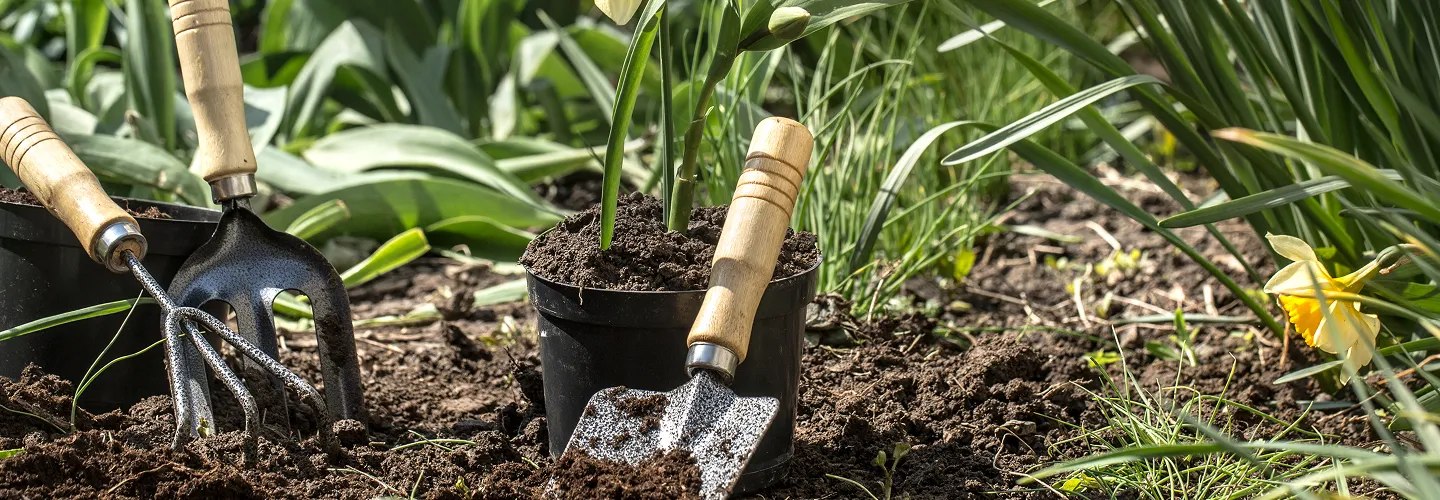
Chamblee Flower Planting Services
Choose our flower planting services for vibrant, healthy blooms that enhance your home's curb appeal and create a welcoming outdoor space, all handled by experienced professionals who care about your satisfaction.
Get a Free QuoteOur Chamblee Landscaping & Yard Care Services
When to Schedule Flower Planting in Chamblee, Georgia – Seasonal Guide
Flower planting in Chamblee, Georgia, is best scheduled with careful attention to our region’s unique climate and landscape. The optimal planting windows are typically early spring (late March to mid-April) and early fall (late September to October), when soil temperatures are moderate and rainfall is more consistent. Chamblee’s proximity to Peachtree-DeKalb Airport and neighborhoods like Keswick Village means microclimates can vary, so it’s important to consider local frost dates—usually the last frost occurs in late March, while the first frost arrives in early November.
Local environmental factors such as high summer humidity, occasional drought risk, and the prevalence of clay-heavy soils in areas near Dresden Park all play a role in determining the best time for planting. Shade coverage from mature oaks and maples, especially in historic districts, can affect flower selection and timing. For more detailed local climate data, visit the Sudbury municipal resource.
Local Factors to Consider for Flower Planting in Chamblee
- Tree density and shade coverage in neighborhoods like Huntley Hills
- Soil type, especially clay content and drainage
- Average precipitation and risk of summer drought
- Terrain variations, including slopes and low-lying areas
- Municipal restrictions or watering schedules
- Proximity to landmarks that influence microclimates, such as Dresden Park or Chamblee Rail Trail
Benefits of Flower Planting in Chamblee
Expert Local Knowledge
Customized Landscape Designs
Seasonal Plant Selection
Enhanced Curb Appeal
Eco-Friendly Practices
Reliable Maintenance Services
Chamblee Flower Planting Types

Annual Flower Beds
-
Perennial Garden Design
-
Native Wildflower Plantings
-
Seasonal Color Rotations
-
Pollinator-Friendly Gardens
-
Shade-Loving Flower Arrangements
-
Drought-Tolerant Flower Selections
Our Flower Planting Process
Site Evaluation
Soil Preparation
Plant Selection
Careful Planting
Watering and Mulching
Why Choose Chamblee Landscape Services
-
Chamblee Homeowners Trust Us
-
Expert Lawn Maintenance
-
Reliable Scheduling
-
Competitive Pricing
-
Professional Team
-
Satisfaction Guarantee
-
Personalized Service
Chamblee's Piedmont Red Clay Soils and Bed Preparation for Flower Planting
Chamblee sits within Georgia's Piedmont region, where the predominant soils are Cecil and Appling series — dense, red clay-based Ultisols with naturally acidic pH levels typically ranging from 5.0 to 6.0. These soils drain poorly when compacted and can restrict root development for flowering annuals and perennials. According to the USDA Web Soil Survey, urban fill soils are also common in developed residential and commercial areas throughout Chamblee, further complicating drainage and nutrient availability. Before planting, property owners should:
- Conduct a soil pH test through UGA Cooperative Extension to determine lime or sulfur amendment needs
- Incorporate 3–4 inches of compost or aged organic matter to improve drainage and aeration in clay-heavy beds
- Avoid tilling wet clay soils, which increases compaction and destroys soil structure
- Raise bed grades slightly in low-lying areas to prevent standing water around root zones
Addressing soil conditions prior to planting is the single most effective step toward long-term flower bed success in Chamblee's Piedmont landscape.
Optimal Flower Planting Windows for Chamblee's USDA Zone 7b Climate
Chamblee falls within USDA Plant Hardiness Zone 7b, with average annual minimum temperatures between 5°F and 10°F. The city's Metro Atlanta location produces hot, humid summers and mild winters, creating two distinct planting windows that property owners should observe:
- Spring annuals (impatiens, petunias, marigolds, zinnias): Plant after the average last frost date, typically mid-March to early April in Chamblee; soil temperatures should reach at least 55°F
- Fall annuals (pansies, snapdragons, ornamental kale): Install from late September through October when daytime temperatures consistently fall below 75°F
- Hardy perennials (coneflowers, black-eyed Susans, daylilies): Best established in early spring or early fall to allow root development before temperature extremes
The National Weather Service Atlanta forecast office provides current temperature and frost advisories relevant to planting timing. Summer heat and humidity in Chamblee can stress cool-season transplants rapidly; selecting heat-tolerant varieties and applying 2–3 inches of mulch at planting significantly improves establishment rates.
Protecting Chamblee Stormwater Infrastructure During Flower Bed Installation
Flower planting activities that involve soil disturbance, fertilizer application, or mulch placement near drainage features require attention to Chamblee's stormwater management standards. The Chamblee Stormwater Utility administers the city's drainage infrastructure and water quality protection programs. Runoff from planting beds — particularly those near curb lines, storm inlets, or drainage swales — can carry sediment, fertilizer nutrients, and pesticide residues into the city's storm drain network, ultimately affecting local waterways consistent with Clean Water Act requirements enforced through EPA Region 4.
Practical precautions during flower bed installation include:
- Keep disturbed soil areas covered or mulched promptly after planting to prevent erosion
- Apply granular fertilizers at least 10 feet from storm drain inlets, curbs, and drainage channels
- Avoid blowing or washing excess soil, mulch, or plant debris into street gutters or storm drains
- Use slow-release fertilizer formulations to reduce nutrient runoff potential
The Georgia EPD Watershed Protection Branch provides guidance on water quality standards applicable to residential and commercial landscape activities throughout the state.
Chamblee Stormwater Utility
3518 Broad Street, Chamblee, GA 30341
Phone: (770) 986-5010
Official Website: Chamblee Stormwater Utility
Selecting Heat- and Humidity-Tolerant Flowering Plants for Chamblee Landscapes
Chamblee's summer climate — characterized by average July highs near 90°F and relative humidity frequently exceeding 70% — demands careful plant selection to ensure bed longevity and minimize disease pressure. Many cool-season annuals decline rapidly after mid-May without supplemental irrigation and shade management. UGA Cooperative Extension recommends the following categories for Metro Atlanta Piedmont landscapes:
- Heat-tolerant annuals: Vinca (Catharanthus roseus), portulaca, celosia, lantana, and pentas perform reliably through Chamblee's summer months
- Native and adapted perennials: Purple coneflower (Echinacea purpurea), black-eyed Susan (Rudbeckia hirta), and native salvia species are well-suited to Zone 7b conditions and support local pollinators
- Shade-tolerant options for wooded lots: Impatiens, begonias, and caladiums are appropriate for properties with significant tree canopy cover, which is common in older Chamblee neighborhoods
- Avoid invasive species: English ivy, Chinese wisteria, and Japanese honeysuckle are documented invasives in Georgia; consult UGA Extension - Invasive Species for a current list before selecting ground covers or climbing plants
Chamblee's Sustainability program encourages native and pollinator-friendly plantings as part of the city's broader green infrastructure and environmental stewardship goals.
Chamblee Zoning, Frontage Standards, and Flower Bed Placement Compliance
Flower bed placement on residential and commercial properties in Chamblee must conform to applicable zoning regulations, particularly where beds are installed near property lines, public rights-of-way, or utility easements. The Chamblee Planning & Development Department administers land use and zoning standards that may affect the placement of raised beds, decorative borders, and landscape features visible from public streets. Property owners should be aware of the following:
- Plantings within the public right-of-way require coordination with the city; unauthorized installations may be subject to removal
- Raised bed structures exceeding certain heights may be subject to review under Chamblee Zoning regulations; confirm current thresholds with the department
- Flower beds near driveways and intersections must not obstruct sightlines; maintain clear visibility triangles at corners per city standards
- HOA covenants in many Chamblee subdivisions impose additional frontage and bed appearance standards independent of city code
Chamblee Planning & Development Department
3518 Broad Street, Chamblee, GA 30341
Phone: (770) 986-5010
Official Website: Chamblee Planning & Development
What Neighborhoods Do We Serve Throughout Chamblee, GA?
- Keswick Village: An established residential area with mature tree canopy and older compacted soils; shade-tolerant flowering plants and organic soil amendment are frequently necessary for successful bed establishment.
- Huntley Hills: A mid-century neighborhood with smaller lot sizes and mixed sun exposure; red clay subsoil is common, and raised or amended beds improve drainage for annuals and perennials alike.
- Sexton Woods: A wooded residential corridor where significant canopy cover limits sun availability; caladiums, impatiens, and native woodland perennials are well-suited to planting conditions in this area.
- Dresden Drive Corridor: A mixed-use and residential district undergoing active redevelopment; urban fill soils and impervious surface proximity require careful drainage management during flower bed installation.
- Peachtree Road Frontages: Commercial and multi-family properties along this corridor are subject to frontage landscaping standards; flowering plant selections must account for heat reflection from pavement and limited irrigation infrastructure.
- Broadview: A residential neighborhood with proximity to drainage corridors; stormwater runoff precautions during bed preparation and fertilizer application are particularly relevant for properties near low-lying areas.