
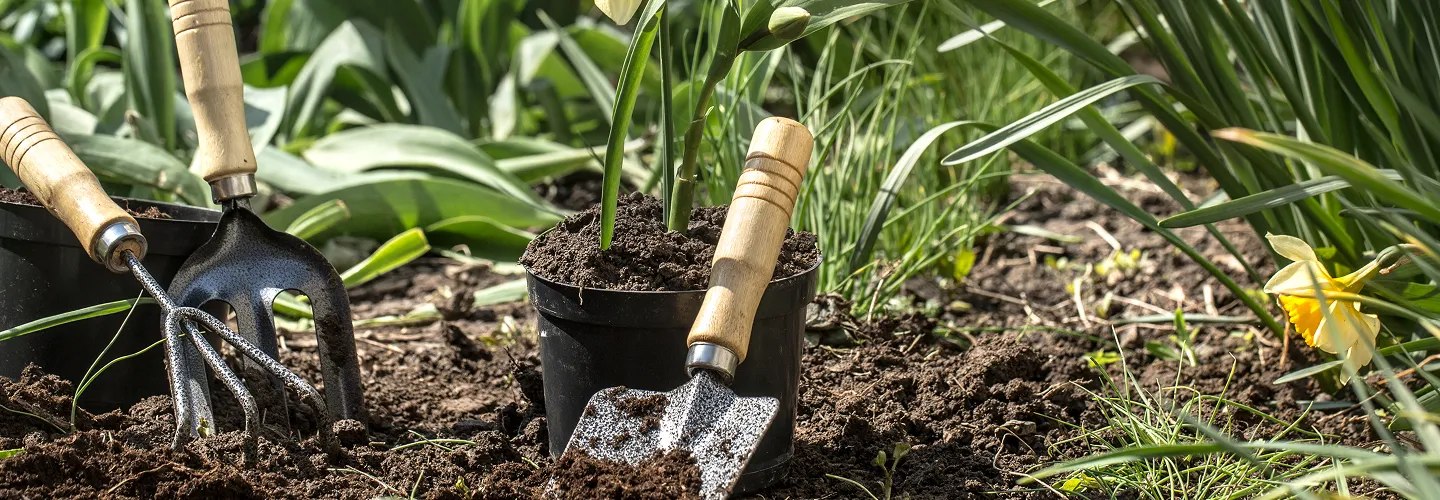
Chamblee Flower Bed Maintenance Services
Choose our Flower Bed Maintenance for expert care, healthy blooms, and a beautiful landscape that enhances your home's curb appeal season after season.
Get a Free QuoteOur Chamblee Landscaping & Yard Care Services
When to Schedule Flower Bed Maintenance in Chamblee, Georgia – Seasonal Guide
In Chamblee, Georgia, the best times for flower bed maintenance are closely tied to our unique climate and local landscape features. Early spring, just after the last frost date, is ideal for cleaning beds, refreshing mulch, and planting annuals, while late fall is perfect for preparing beds for winter and protecting perennials. Chamblee’s humid summers and occasional droughts—especially in neighborhoods near Keswick Park or Dresden Park—mean that timing your maintenance can make a significant difference in plant health and curb appeal. Soil in our area tends to be clay-heavy, which affects drainage and root development, so adjusting your maintenance schedule to account for these conditions is crucial.
Local environmental factors such as shade from mature trees in Huntley Hills, the risk of late frosts, and municipal watering restrictions all play a role in determining when to schedule services. For more information on local climate patterns and gardening resources, visit the Sudbury town website. By considering these elements, you can ensure your flower beds thrive throughout the year.
Local Factors to Consider for Flower Bed Maintenance in Chamblee
- Tree density and shade coverage, especially in established neighborhoods
- Soil type (clay-heavy soils common in Chamblee)
- Average precipitation and drought risk during summer months
- Frost dates and temperature fluctuations in spring and fall
- Terrain and drainage, particularly in sloped yards
- Municipal watering restrictions and local ordinances
Benefits of Flower Bed Maintenance in Chamblee
Enhanced Curb Appeal
Weed and Pest Prevention
Healthier Plant Growth
Seasonal Color Management
Professional Expertise
Time and Effort Savings
Chamblee Flower Bed Maintenance Types

Seasonal Flower Planting
-
Weed Control Services
-
Mulching and Soil Conditioning
-
Pruning and Deadheading
-
Fertilization Programs
-
Pest and Disease Management
-
Edging and Bed Redefining
Our Flower Bed Maintenance Process
Site Evaluation
Weed Removal
Soil Preparation
Plant Care
Mulching
Why Choose Chamblee Landscape Services
-
Chamblee Homeowners Trust Us
-
Expert Lawn Maintenance
-
Reliable Scheduling
-
Competitive Pricing
-
Professional Team
-
Satisfaction Guarantee
-
Personalized Service
Chamblee's Piedmont Red Clay Soils and Flower Bed Drainage Management
Chamblee sits within Georgia's Piedmont region, where the predominant soil series include Cecil, Appling, and Madison soils — all characterized by dense red clay subsoils with limited permeability. According to the USDA Web Soil Survey, these soils typically exhibit slow to moderate drainage rates and a naturally acidic pH ranging from 5.0 to 6.0. For flower bed maintenance, these conditions create specific challenges:
- Compacted clay restricts root penetration and causes water pooling around bed edges
- Organic matter amendments such as aged compost (2–4 inches incorporated to 6–8 inch depth) improve drainage and aeration
- Raised bed borders or bermed edges help redirect excess water away from plant crowns
- Soil pH should be tested annually; lime applications may be needed to raise pH toward the 6.0–6.5 range preferred by most ornamental plants
UGA Cooperative Extension recommends soil testing through the University of Georgia's soil laboratory before amending beds, particularly in older Chamblee neighborhoods where urban fill soils may overlay native clay profiles.
Seasonal Planting and Bed Maintenance Timing for Chamblee's USDA Zone 7b Climate
Chamblee falls within USDA Plant Hardiness Zone 7b, with average minimum winter temperatures between 5°F and 10°F. The city's long warm season — typically spanning late March through early November — creates an extended window for flower bed activity, but also demands careful timing to avoid heat stress and fungal pressure. Practical seasonal guidance includes:
- Spring bed preparation: Begin soil amendment and cool-season annual removal in mid-March when soil temperatures consistently exceed 50°F
- Summer annuals: Transplant warm-season species such as vinca, pentas, and lantana after the last average frost date (approximately March 15–25 for Chamblee)
- Fall transition: Replace heat-stressed summer annuals with cool-season plants such as pansies and ornamental kale beginning in late September through October
- Winter mulching: Apply 2–3 inches of pine straw or shredded hardwood mulch over perennial beds by late November to insulate root zones
The National Weather Service Atlanta forecast office provides current frost advisories and temperature outlooks relevant to planting decisions in Chamblee.
Protecting Chamblee Stormwater Infrastructure During Flower Bed Maintenance
Flower bed maintenance activities — including fertilizer application, pesticide use, and debris removal — carry meaningful runoff risk in Chamblee's urban landscape. The city's Chamblee Stormwater Utility manages drainage infrastructure throughout the city and enforces water quality standards consistent with the Clean Water Act and the EPA NPDES Program. Property owners and maintenance professionals should observe the following practices:
- Keep fertilizer granules off impervious surfaces such as driveways, sidewalks, and curbs; sweep back any overspray immediately
- Avoid applying soluble fertilizers or pesticides within 24–48 hours of forecasted rainfall events
- Do not blow or rake bed debris into storm drains, gutters, or roadside ditches
- Maintain a minimum 10-foot buffer between chemical applications and any visible drainage inlet or curb cut
The Georgia EPD Watershed Protection Branch establishes water quality standards applicable to urban runoff statewide. Residents near Nancy Creek or other drainage corridors within Chamblee should exercise additional caution during bed maintenance operations.
Chamblee Stormwater Utility
3518 Broad Street, Chamblee, GA 30341
Phone: (770) 986-5010
Official Website: Chamblee Stormwater Utility
Chamblee Sustainability Programs and Environmentally Responsible Bed Care
The City of Chamblee actively promotes environmental stewardship through its Chamblee Sustainability program, which supports green infrastructure planning and resource conservation across residential and commercial properties. Flower bed maintenance practices that align with these sustainability goals include:
- Native and adapted plant selection: Species such as black-eyed Susan (Rudbeckia hirta), coneflower (Echinacea purpurea), and native azaleas reduce irrigation demand and support local pollinators
- Mulch depth management: Maintaining 2–3 inches of organic mulch conserves soil moisture, moderates temperature extremes, and reduces weed pressure without the need for herbicide applications
- Composting bed debris: Spent plant material free of disease or invasive seed can be composted on-site rather than sent to landfill
- Reduced chemical inputs: Integrated pest management approaches minimize synthetic pesticide use in beds adjacent to public sidewalks, parks, and drainage features
Property owners are encouraged to review Chamblee's sustainability resources and align bed maintenance practices with the city's broader environmental goals. The Georgia EPD also provides guidance on environmentally responsible landscape management applicable to Piedmont-region properties.
Chamblee Planning & Development Department – Sustainability
3518 Broad Street, Chamblee, GA 30341
Phone: (770) 986-5010
Official Website: Chamblee Sustainability
Invasive Plant Pressure in Chamblee Flower Beds and Removal Standards
Chamblee's mature tree canopy, creek corridors, and proximity to wooded greenway edges create conditions favorable to invasive plant encroachment in residential and commercial flower beds. Species commonly documented in the Metro Atlanta Piedmont region include English ivy (Hedera helix), Chinese privet (Ligustrum sinense), Japanese honeysuckle (Lonicera japonica), and kudzu (Pueraria montana). These species can rapidly overtake ornamental beds if not managed consistently. Recommended practices include:
- Inspect bed edges and fence lines at least twice per growing season for invasive seedling establishment
- Remove invasive material by hand or mechanical means before seed set to prevent further spread
- Do not compost invasive plant material with viable seed or root fragments; bag and dispose through regular solid waste collection
- Consult UGA Extension – Invasive Species for identification guides and control recommendations specific to Georgia's Piedmont region
The Chamblee Parks & Recreation department manages public green spaces where invasive species pressure is actively monitored; residents with beds adjacent to parks or greenways should coordinate removal timing to avoid reintroduction from adjacent public land.
Chamblee Parks & Recreation
3518 Broad Street, Chamblee, GA 30341
Phone: (770) 986-5010
Official Website: Chamblee Parks & Recreation
What Neighborhoods Do We Serve Throughout Chamblee, GA?
- Keswick Village: A mixed residential and commercial corridor with compact lot sizes and mature street trees; flower beds in this area often contend with root competition and partial shade from established canopy cover.
- Huntley Hills: An established mid-century neighborhood with older compacted clay soils and mature landscaping; beds frequently require organic amendment and improved drainage to support healthy ornamental plantings.
- Sexton Woods: A wooded residential area with significant tree canopy and leaf accumulation pressure; bed maintenance here requires seasonal debris clearing and mulch replenishment to prevent smothering of ground-level plantings.
- Peachtree Corners adjacent areas / North Chamblee: Newer mixed-use development zones where urban fill soils may overlay native clay; soil testing is particularly important before establishing new ornamental beds.
- Broadview: A transitional neighborhood near Nancy Creek drainage corridors where stormwater runoff from beds can reach sensitive waterways; buffer management and low-input bed care practices are especially relevant.
- Dresden Drive Corridor: A high-visibility commercial and residential mixed zone where frontage bed maintenance is subject to city appearance standards and public right-of-way considerations under Chamblee's zoning framework.