
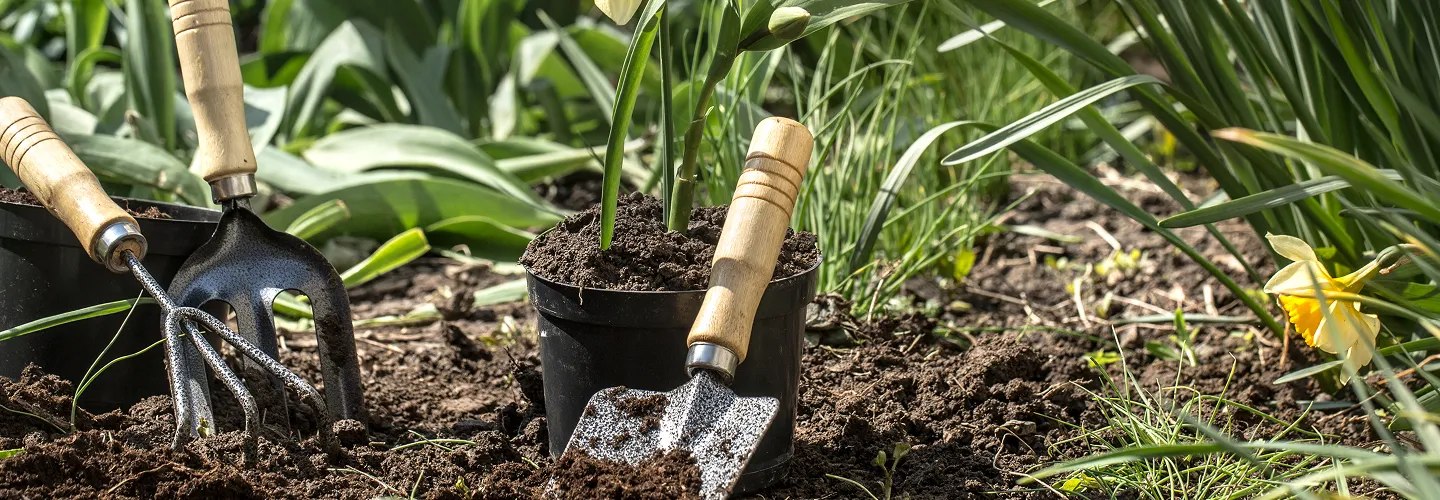
Chamblee Lawn Installation Services
Choose our expert lawn installation for a seamless, hassle-free transformation—enjoy a vibrant, healthy yard that boosts your home's curb appeal and value, all backed by our commitment to quality and customer satisfaction.
Get a Free QuoteOur Chamblee Landscaping & Yard Care Services
When to Schedule Lawn Installation in Chamblee, Georgia – Seasonal Guide
Choosing the right time for lawn installation in Chamblee, Georgia is essential for achieving a lush, healthy yard that thrives year-round. Due to Chamblee’s humid subtropical climate, the best periods for installing new sod or seed are typically early spring and early fall. These seasons offer moderate temperatures and consistent rainfall, which help new grass establish strong roots before the heat of summer or the chill of winter sets in. Neighborhoods near Keswick Park and Dresden Park, for example, often benefit from spring installations, as the soil warms up and the risk of late frost diminishes.
Local environmental factors play a significant role in determining the optimal installation window. Chamblee’s clay-heavy soils retain moisture but can become compacted, so timing your project to avoid heavy rain or drought periods is crucial. Areas with dense tree coverage, such as those near Huntley Hills, may require special consideration for shade-tolerant grass varieties. Additionally, municipal guidelines and water restrictions, which can be found on the City of Chamblee’s official website, may influence when and how you can install new lawns.
Local Factors to Consider for Lawn Installation in Chamblee
- Tree density and shade coverage
- Soil type and drainage (clay-heavy soils are common)
- Seasonal precipitation patterns
- Frost dates and temperature fluctuations
- Terrain and slope of your property
- Municipal water use restrictions
Benefits of Lawn Installation in Chamblee
Expert Landscaping Services
Customized Lawn Solutions
Efficient Project Completion
Premium Quality Sod and Seed
Local Knowledge and Experience
Comprehensive Maintenance Support
Chamblee Lawn Installation Types

Sod Installation
-
Hydroseeding
-
Artificial Turf Installation
-
Seed Lawn Establishment
-
Zoysia Grass Installation
-
Bermuda Grass Installation
-
Fescue Grass Installation
Our Lawn Installation Process
Site Evaluation
Soil Preparation
Lawn Installation
Watering and Initial Care
Why Choose Chamblee Landscape Services
-
Chamblee Homeowners Trust Us
-
Expert Lawn Maintenance
-
Reliable Scheduling
-
Competitive Pricing
-
Professional Team
-
Satisfaction Guarantee
-
Personalized Service
Chamblee's Piedmont Red Clay Soils and Sod Installation Preparation
Chamblee sits within Georgia's Piedmont region, where the predominant soil series includes Cecil and Appling soils — dense, red clay-based Ultisols with naturally low infiltration rates and a tendency toward compaction under foot and equipment traffic. According to the USDA Web Soil Survey, these soils typically have a pH ranging from 5.0 to 6.0, requiring lime amendment before sod or seed installation to bring turf into an optimal 6.0–6.5 pH range. Prior to any lawn installation, property owners should:
- Conduct a soil test through UGA Cooperative Extension to determine pH, phosphorus, and potassium levels
- Till compacted clay to a minimum depth of 4–6 inches to improve root penetration
- Incorporate organic matter or sand-amended topsoil to improve drainage
- Grade the site to direct surface runoff away from structures and toward permeable areas
Failure to address clay compaction before installation significantly reduces turf establishment rates and increases runoff risk during Chamblee's summer rain events.
Optimal Lawn Installation Timing for Chamblee's Warm-Season Growing Window
Chamblee falls within USDA Hardiness Zone 7b, as confirmed by the USDA Plant Hardiness Zone Map, supporting warm-season turf grasses such as Bermudagrass, Zoysiagrass, and Centipedegrass. Timing installation correctly is critical to establishment success. According to UGA Cooperative Extension guidance for the Georgia Piedmont:
- Sod installation: Best performed between late April and mid-September, when soil temperatures consistently exceed 65°F
- Seeding (Bermudagrass): Optimal window is May through July, after the last frost risk has passed and daytime highs are sustained above 80°F
- Centipedegrass seeding: Recommended from late May through June for adequate root development before fall
- Avoid installation: October through February, when cool temperatures slow root establishment and increase winter kill risk
The National Weather Service Atlanta forecast office provides current soil temperature and frost date data useful for confirming installation windows. Watering newly installed sod twice daily for the first two weeks is standard practice, tapering to deep, infrequent irrigation once roots anchor.
Chamblee Stormwater Utility Compliance During Lawn Grading and Installation
Lawn installation projects that involve significant regrading, soil disturbance, or drainage alteration may trigger review under Chamblee's stormwater management program. The Chamblee Stormwater Utility oversees drainage infrastructure, water quality protection, and erosion control compliance within city limits. Property owners undertaking substantial grading should be aware of the following requirements:
- Disturbed soil areas must be stabilized promptly to prevent sediment from entering storm drains, drainage ditches, or nearby stream corridors
- Silt fencing or erosion control blankets are standard protective measures during active installation
- Runoff from newly graded lawns must not be directed onto adjacent properties or public rights-of-way
- Projects meeting certain disturbance thresholds may require an erosion and sediment control plan consistent with Georgia EPD standards under the Clean Water Act
Chamblee contains drainage corridors that connect to larger DeKalb County watershed systems. Sediment discharge into these systems can result in code enforcement action. Confirm current thresholds and review requirements before beginning any grading work.
Chamblee Stormwater Utility
3518 Broad Street, Chamblee, GA 30341
Phone: (770) 986-5010
Official Website: Chamblee Stormwater Utility
Navigating Chamblee Permitting Services for Lawn and Landscape Installation Projects
While routine residential lawn installation typically does not require a building permit, projects involving grading, retaining walls, irrigation system installation, or significant drainage modification may require review through Chamblee Permitting Services. Property owners and contractors should verify permit requirements before beginning work, particularly when:
- Installing retaining walls exceeding 4 feet in height
- Modifying existing drainage patterns or installing French drains
- Connecting irrigation systems to municipal water supply lines
- Disturbing areas near utility easements or public rights-of-way
The Chamblee Planning & Development Department administers land use and development review, and can clarify whether a proposed lawn installation scope triggers formal permitting. Zoning setbacks and frontage requirements may also affect grading and turf placement near property lines. Confirm current permit thresholds and applicable fees directly with the permitting office before project commencement.
Chamblee Permitting Services
3518 Broad Street, Chamblee, GA 30341
Phone: (770) 986-5010
Official Website: Chamblee Permitting Services
Turf Selection and Chamblee's Sustainability Goals for Green Infrastructure
Chamblee's Sustainability Program encourages environmentally responsible land management practices, including turf and landscape choices that reduce water consumption, minimize chemical inputs, and support urban green infrastructure. When selecting turf species for Chamblee properties, the following considerations apply:
- Zoysiagrass: Highly drought-tolerant once established; well-suited to Chamblee's clay soils and summer heat; requires less frequent mowing than Bermudagrass
- Bermudagrass: Rapid establishment and high heat tolerance; performs well in full-sun areas but requires consistent irrigation during dry periods
- Centipedegrass: Low-maintenance option for low-traffic areas; tolerates acidic Piedmont soils but is sensitive to over-fertilization
- Tall Fescue: Suitable for shaded areas under mature tree canopy; a cool-season option requiring overseeding annually in Chamblee's climate
The Georgia EPD Watershed Protection Branch recommends minimizing impervious surface expansion and selecting turf species that reduce runoff and support infiltration. Native groundcovers or low-input turf alternatives may also align with Chamblee's green infrastructure planning objectives.
What Neighborhoods Do We Serve Throughout Chamblee, GA?
- Keswick Village: A mixed residential and commercial corridor with smaller lot sizes and aging infrastructure; clay compaction and limited topsoil depth are common challenges for sod installation in this area.
- Huntley Hills: An established neighborhood with mature tree canopy and shaded lots; turf selection must account for reduced sun exposure, making shade-tolerant Zoysiagrass or Tall Fescue preferable.
- Sexton Woods: A wooded residential area with significant tree cover and organic debris accumulation; site preparation for lawn installation requires thorough clearing and soil amendment before turf establishment.
- Dresden: A transitioning mixed-use neighborhood with a combination of older compacted lots and newer infill development; fill soils on newer parcels may require additional grading and amendment work.
- Peachtree Corners Corridor (Chamblee portion): Properties near commercial corridors may have compacted urban soils from prior development; drainage assessment is recommended before installation.
- Embry Hills (Chamblee-adjacent): Lots in this area often feature moderate slopes and red clay subsoil; proper grading and erosion control during installation are essential to prevent runoff into adjacent drainage features.